Insights ·
5 Star rated diamond-cut alloy refurbishment, costs & limits
Bottom line: 4 Fresh Wheels provides 5 Star rated professional diamond-cut alloy refurbishment across South East England and the Midlands to deliver a crisp, factory-style finish on site.
If your car has that bright, reflective face on the spokes, you are likely looking at a diamond-cut wheel. It looks premium and sells cars, but the finish is vulnerable to kerb scuffs and lacquer failure. The good news is you do not need to send wheels away for weeks. Modern mobile CNC machines can restore the face on site with dealer-ready results.
This guide answers the questions owners actually ask: what it costs, how the DCR PRO (https://www.dcrsystems.co.uk/product/dcr-pro/) process works, how many times you can safely recut, how long finishes last, when to choose repainting, and what to watch for with lacquer.
What diamond-cut refurbishment actually does
Diamond cutting is precision machining of the wheel face using a CNC lathe. The DCR PRO system scans the profile, then skims a microscopic layer to recreate the fine, linear grain you see in the sunlight. Microscopic here means typically a few hundredths of a millimetre per pass, just enough to remove visible scuffs and oxidised aluminium while preserving structure. After cutting, the face is cleaned, and a clear protective lacquer is applied.
Because the process is controlled and repeatable, it delivers a sharp, reflective, factory-style finish that meets dealership and leasing standards. On many wheel designs, the DCR PRO can complete the repair with the tyre still fitted, which keeps handling to a minimum and shortens turnaround.
Why tyre-on machining speeds things up
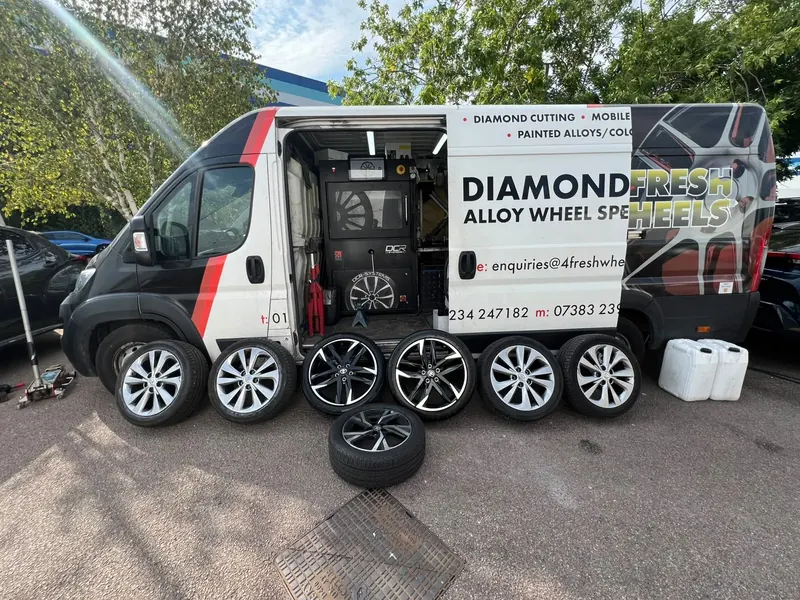
The DCR PRO is designed for mobile use and can machine many wheels with the tyre on, up to 24 inches. Tyre-on operation avoids bead breaking, balancing delays, and the risk of nicking a fresh finish during refit. Less handling also means fewer variables when you are preparing stock or planning a lease return. For larger wheels or if the profile demands it, technicians can cut with the tyre removed, and the same precision applies.
Costs, you should know about
Prices vary by region and provider, but you can estimate where your job will sit by looking at five core factors:
- Wheel size and complexity of the face design
- Depth and spread of damage, including corrosion beneath lacquer
- The number of wheels being done at once, which can reduce the per-wheel cost
- Whether tyre-on is possible or tyres must be removed and refitted
- Required colour work on the painted sections before cutting
Mobile service reduces logistics and downtime, which is valuable for dealerships and fleets that need vehicles photo-ready on site. Across South East England and the Midlands, on-site work helps streamline vehicle prep and reduce delays.
How many times can you safely recut?
There is no universal number, because safe recuts depend on the original casting, prior refurb history, and how much metal previous cuts removed. As a working guideline:
- Light scuffs with minimal previous work: usually 1 to 3 safe recuts
- Heavily refurbished or thin-face designs: often 0 to 1 additional recut
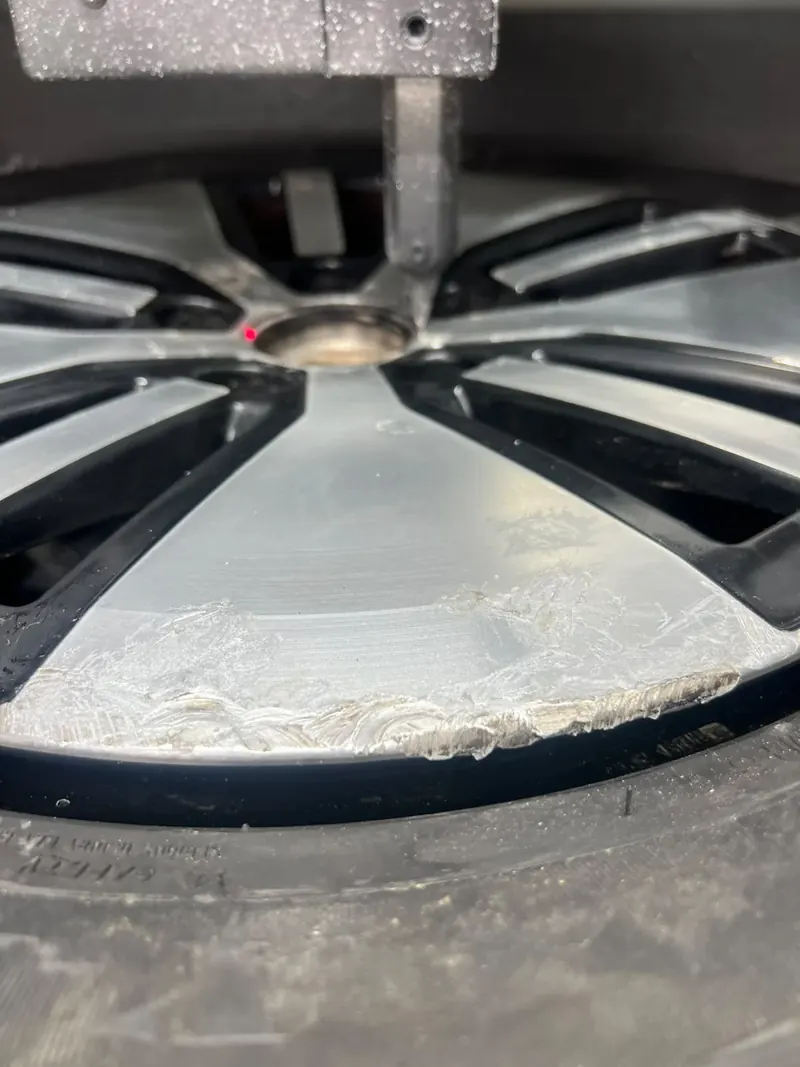
- Structural defects, flat spots, cracks, or deep gouges: do not cut, assess alternative repair or replacement
A professional will measure remaining face thickness and confirm whether another skim stays within safe tolerances. If in doubt, err on the side of preserving material and consider a painted refinish instead of cutting again.
Make sure you review the ratings for any providers; you’re looking for 5 Star reviews that mention great results and service.
How long does a 5 Star diamond-cut finish last?
Longevity varies with cleaning habits, mileage, climate, and winter salt. With sensible aftercare, a freshly refurbished diamond-cut face typically stays looking sharp for 12 to 24 months in daily use. Regular, gentle washing prevents brake dust and contaminants from attacking the lacquer edge. Avoid acidic wheel cleaners and abrasive pads. During winter, clean more often to remove salt.
How to spot lacquer failure early
Lacquer protects the cut aluminium. When it fails, moisture creeps under the clear coat and lifts it from the edge. Early signs include:
- Fine white worm trails at the boundary between painted sections and the cut face
- Cloudy patches or dulling that spreads from a chip or kerb mark
- Tiny bubbles or milky staining around spoke tips and centre areas
Catch it early, and a light cut can remove the oxidised layer cleanly. Leave it too long and corrosion tracks deeper, requiring a heavier skim or a switch to repainting.
When is repainting the better choice
Choose a painted refurbishment instead of another cut when:
- The wheel has already been recut multiple times and metal is getting thin
- Corrosion has travelled deep under the lacquer and would need too much material removed
- You prefer a tougher, easier-to-maintain finish for winter or fleet use
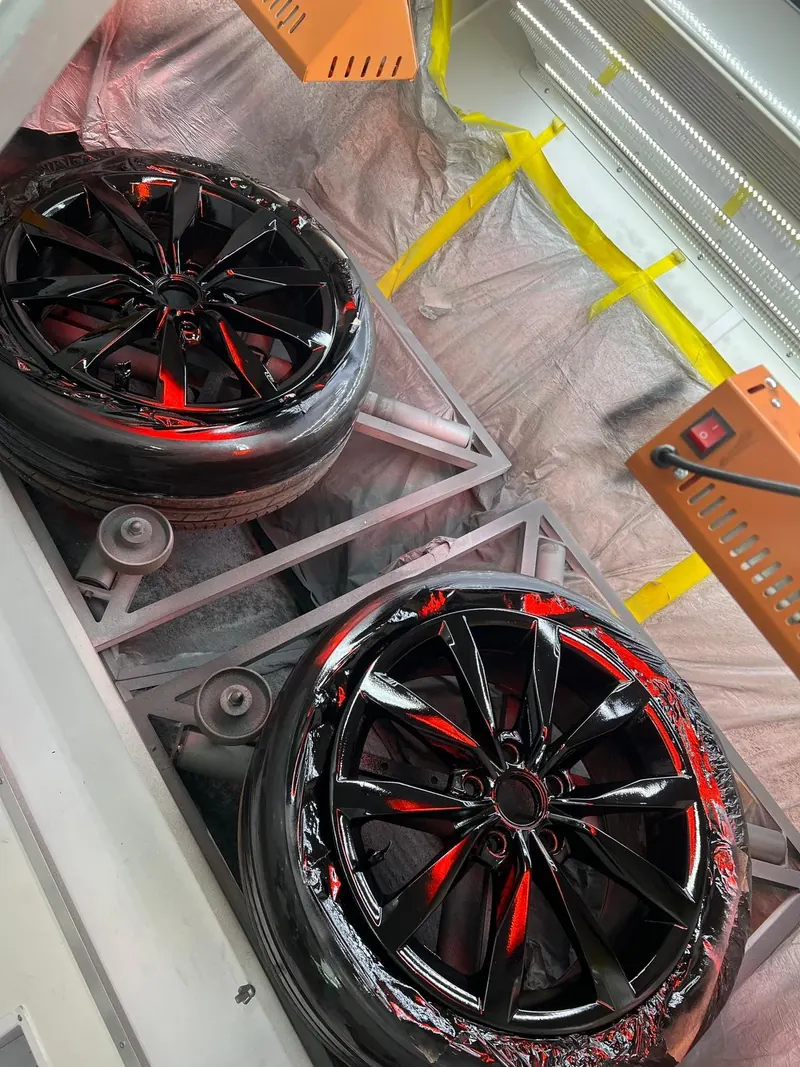
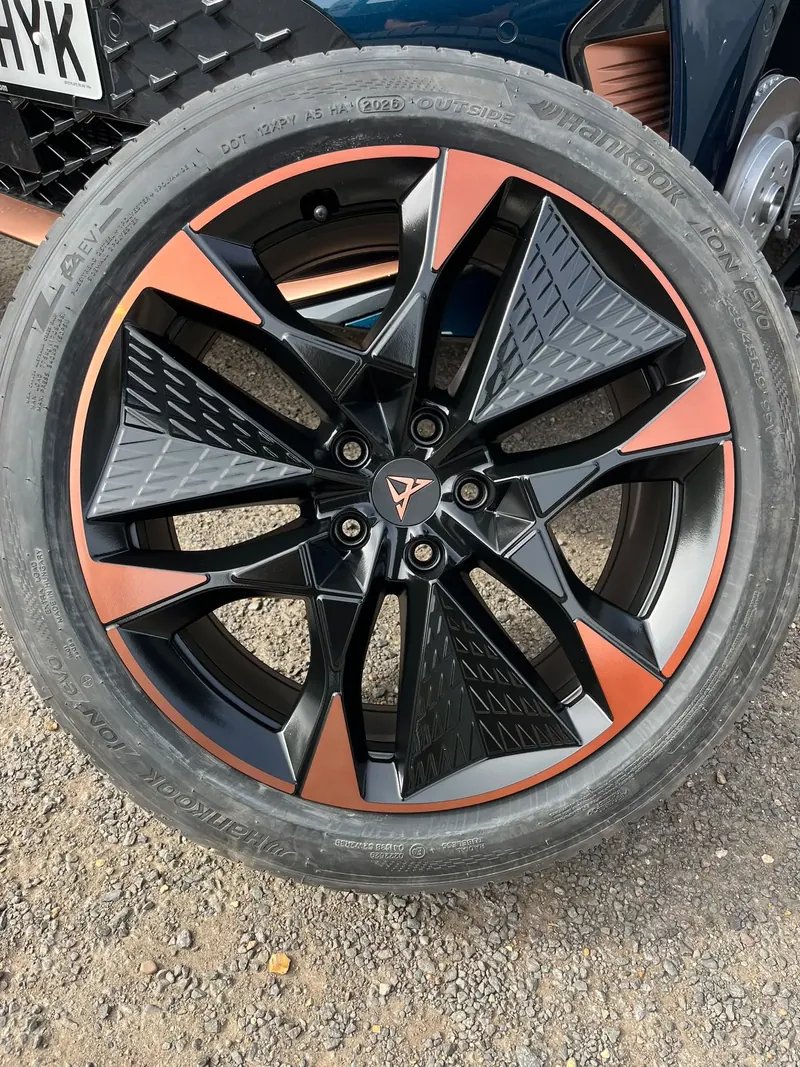
- You want a colour change to modernise the look for resale
A high-quality painted refinish can be more durable day to day and still deliver a clean, dealership-standard presentation.
Mobile capability and commercial benefits
Mobile CNC cutting keeps vehicles on site, supports same-day turnaround where possible, and reduces handling risks. For lease returns, a swift tidy-up prevents recharges and keeps inspections straightforward. For forecourts, fresh wheels reduce negotiation and help images convert online. If you manage multiple units, mobile support means fewer bottlenecks in prep bays.
Across South East England and the Midlands, this approach helps businesses maintain reliable turnaround times and consistent presentation standards.
Quick FAQ
- How much does it cost to refurbish diamond-cut alloys? It depends on size, design complexity, damage, tyre-on feasibility, and any colour work needed. Ask for a tailored quote with photos of each wheel.
- How many times can you recut a diamond-cut alloy? Often 1 to 3 total cuts across the wheel’s life, but the safe number varies. A technician should measure the remaining thickness before proceeding.
- How long do diamond-cut finishes last? With good aftercare, many owners see 12 to 24 months of strong presentation in daily use. Harsh cleaners and winter salt shorten that window.
- Can diamond-cut alloys be repaired mobile? Yes. Purpose-built mobile CNC machines like the DCR PRO deliver factory-style results on site, often tyre-on up to 24 inches.
- When is repainting better than cutting again? When previous cuts have thinned the face, corrosion is widespread under lacquer, or you want greater day-to-day durability or a colour change.
Summary and next step
Diamond-cut refurbishment with the DCR PRO removes only a microscopic layer to restore the face, but the cost and the number of safe recuts depend on thickness, design, and condition. Maintain the finish gently, watch for early lacquer failure, and choose a painted refinish when material is limited or durability is the priority. For a fast, on-site assessment and a tailored quote, 5 Star rated Service, and results, contact 4 Fresh Wheels and include photos of each wheel so the most efficient, dealership-standard solution can be recommended.