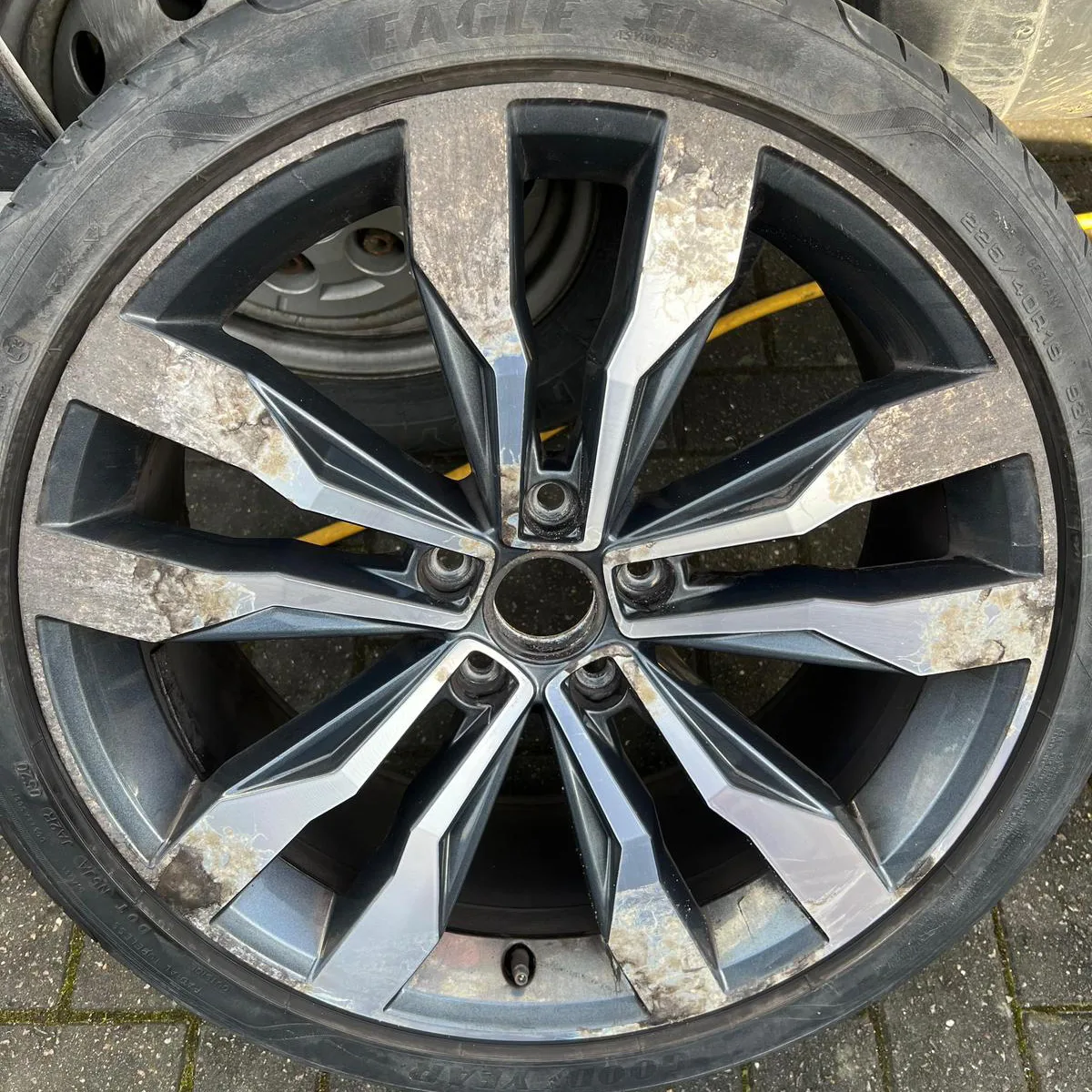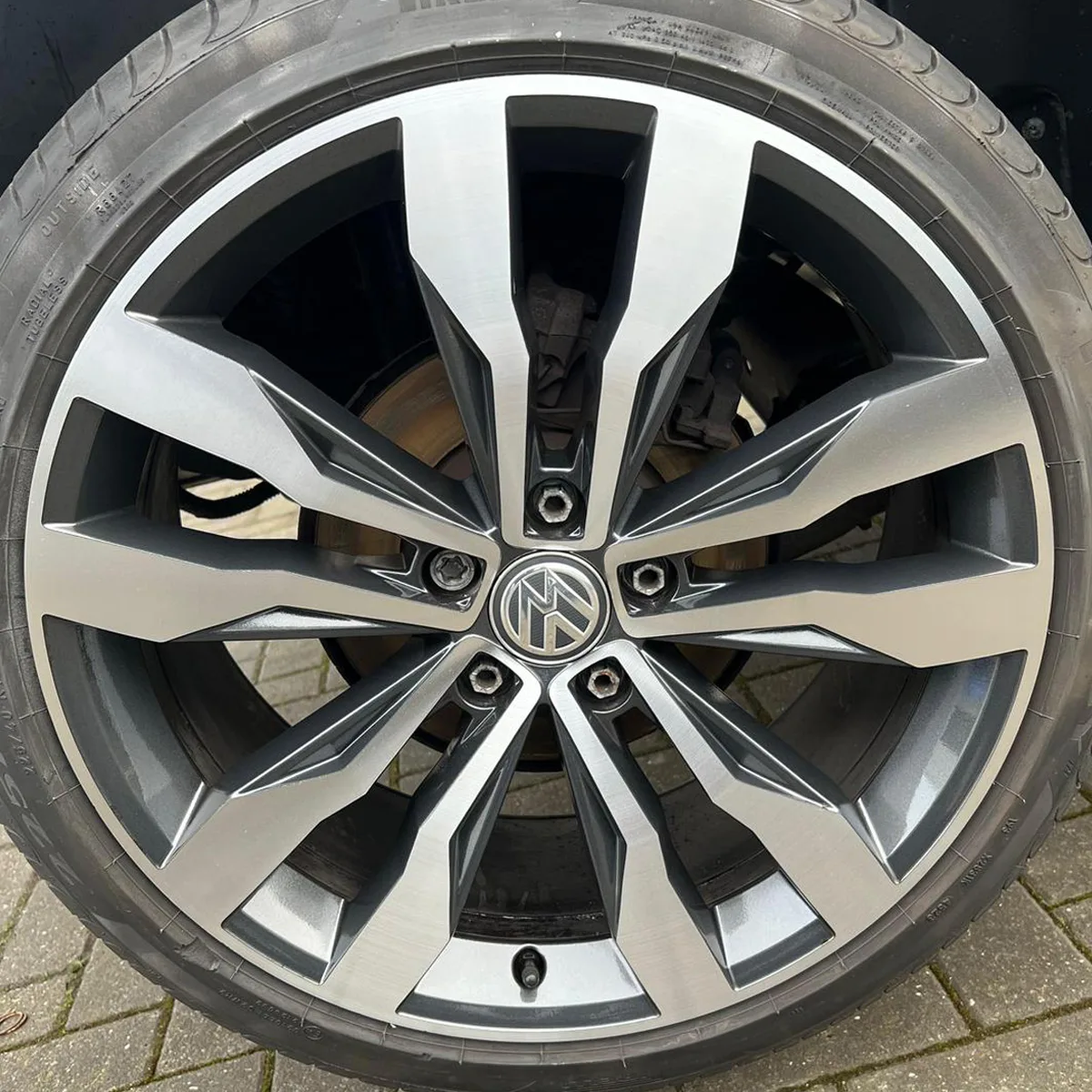
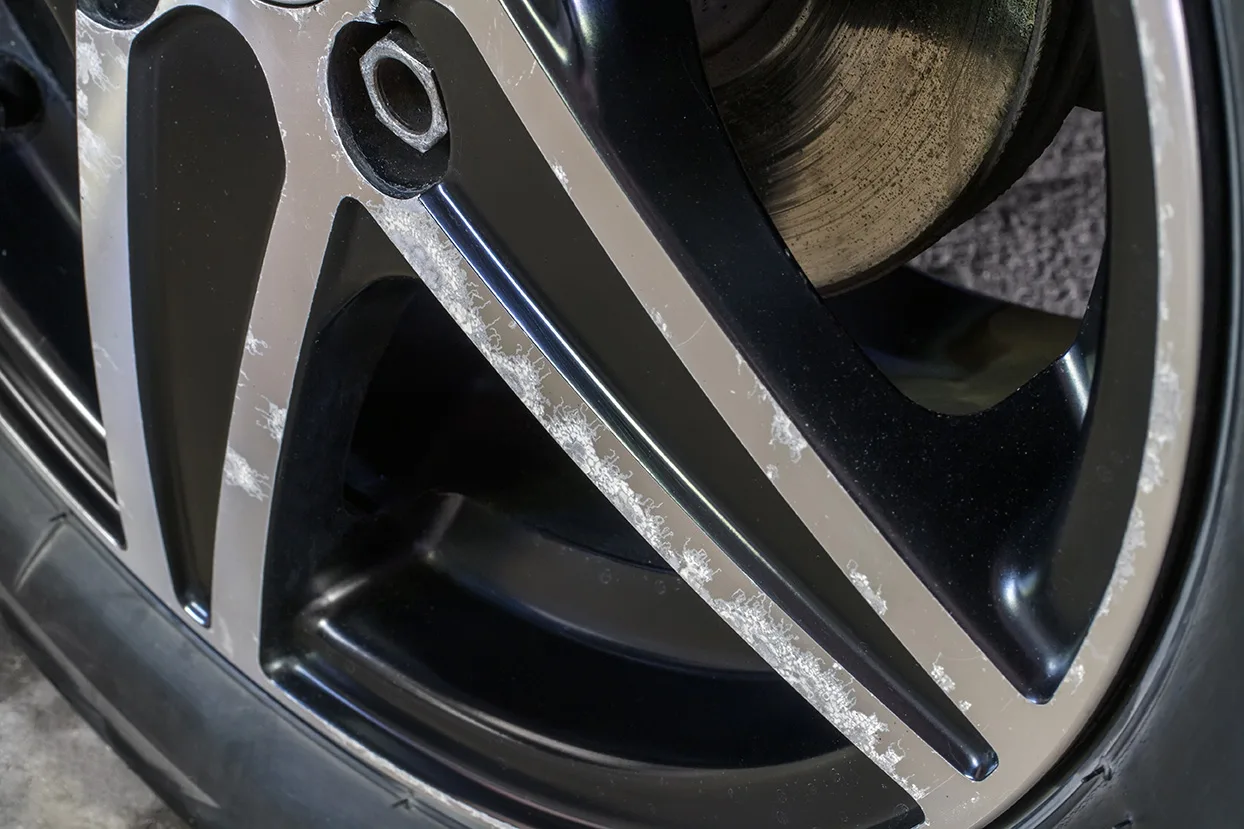
Bubbling, white marks or flaking paint are the dreaded warning signs of alloy wheel corrosion. So what can you do to keep your wheels looking good for longer?
Smart and clean alloy wheels can transform the appearance of your vehicle, but over time motorists may notice signs of damage. Alloy wheel corrosion is one of the most common cosmetic issues affecting modern cars, read on to understand the root causes…
What is alloy wheel corrosion?
The problem of alloy wheel corrosion occurs when the protective layers on the wheel’s surface are damaged, allowing moisture and air to reach the metal underneath. Most alloy wheels are made from aluminium, which doesn’t rust in the same way steel does, but it does oxidise. This oxidation is what causes the chalky white marks and lifting lacquer often seen around the edges of the wheel or near the spokes.
Once corrosion starts, it tends to spread if left untreated, gradually worsening both the appearance and condition of the wheel.
Kerb damage and stone chips
Here at 4 Fresh Wheels, we find that damage is one of the most common causes of alloy wheel corrosion. Even light scuffs can break the lacquer seal that protects the wheel, creating an entry point for water and road grime. Stone chips can have a similar effect, especially on the inner edges of the wheel where damage often goes unnoticed.
Although the initial damage may seem minor, it can quickly lead to corrosion as moisture works its way under the paint or lacquer.
Road salt and winter weather
Road salt is extremely corrosive and is one of the biggest contributors to alloy wheel damage, particularly during the winter months. Salt and grit can cling to the wheel surface and attack any exposed metal, accelerating corrosion.
Cold, wet weather also plays a role. Water sitting on the wheels for long periods, combined with fluctuating temperatures, can weaken protective coatings and make corrosion more likely.
Diamond-cut wheels and lacquer failure
Diamond-cut alloy wheels are especially prone to corrosion because of how they’re finished. The exposed metal face is protected by a clear lacquer rather than paint. If that lacquer is breached, moisture can creep underneath and cause the finish to cloud, peel, or bubble.
This type of corrosion often starts around the edges of the spokes or near the centre cap and can spread quickly if not addressed early.
Poor car cleaning practices
Using harsh chemicals or acidic wheel cleaners can strip away protective layers and speed up corrosion. Pressure washing too close to damaged areas can also force water under the lacquer or paint, making the problem worse.
Infrequent cleaning can be just as harmful. Brake dust and road grime are corrosive, and when left to build up, they can gradually break down the wheel’s protective coatings.
How to prevent alloy wheel corrosion
Preventing alloy wheel corrosion starts with regular care. Washing your wheels frequently helps remove salt, brake dust and other contaminants before they can cause damage. Using a pH-neutral wheel cleaner and soft brushes reduces the risk of harming the finish.
It’s also important to address kerb damage as soon as it occurs. Even small scuffs should be repaired promptly to prevent moisture from getting under the surface. Professional alloy wheel repair restores the protective coating and stops corrosion from spreading.
Applying a wheel sealant or ceramic coating can add an extra layer of protection, helping to repel dirt and water while making wheels easier to clean. During winter, rinsing wheels more often can significantly reduce the impact of road salt.
Need a professional diamond-cut wheel repair?
Once corrosion has started, DIY fixes rarely provide a lasting solution. Professional diamond-cut alloy wheel repair removes corrosion properly, repairs the surface and reapplies paint or lacquer to protect the wheel long term.
Looking after your wheels doesn’t just improve how your car looks, it also helps maintain its value and keeps it looking well cared for all year round.
By using a mobile, same-day repair service like 4 Fresh Wheels, car dealerships can ensure every vehicle returns to looking its best, with minimum fuss and delay. If you’re looking for a reliable, professional alloy wheel specialist in Hertfordshire, Bedfordshire, Cambridgeshire and Buckinghamshire, get in touch today.
Example of Our Work